
Why Iron Matters for Energy and Performance (And How to Get Enough)
What every active person should know about iron deficiency, food sources, and how to absorb more of what you eat.
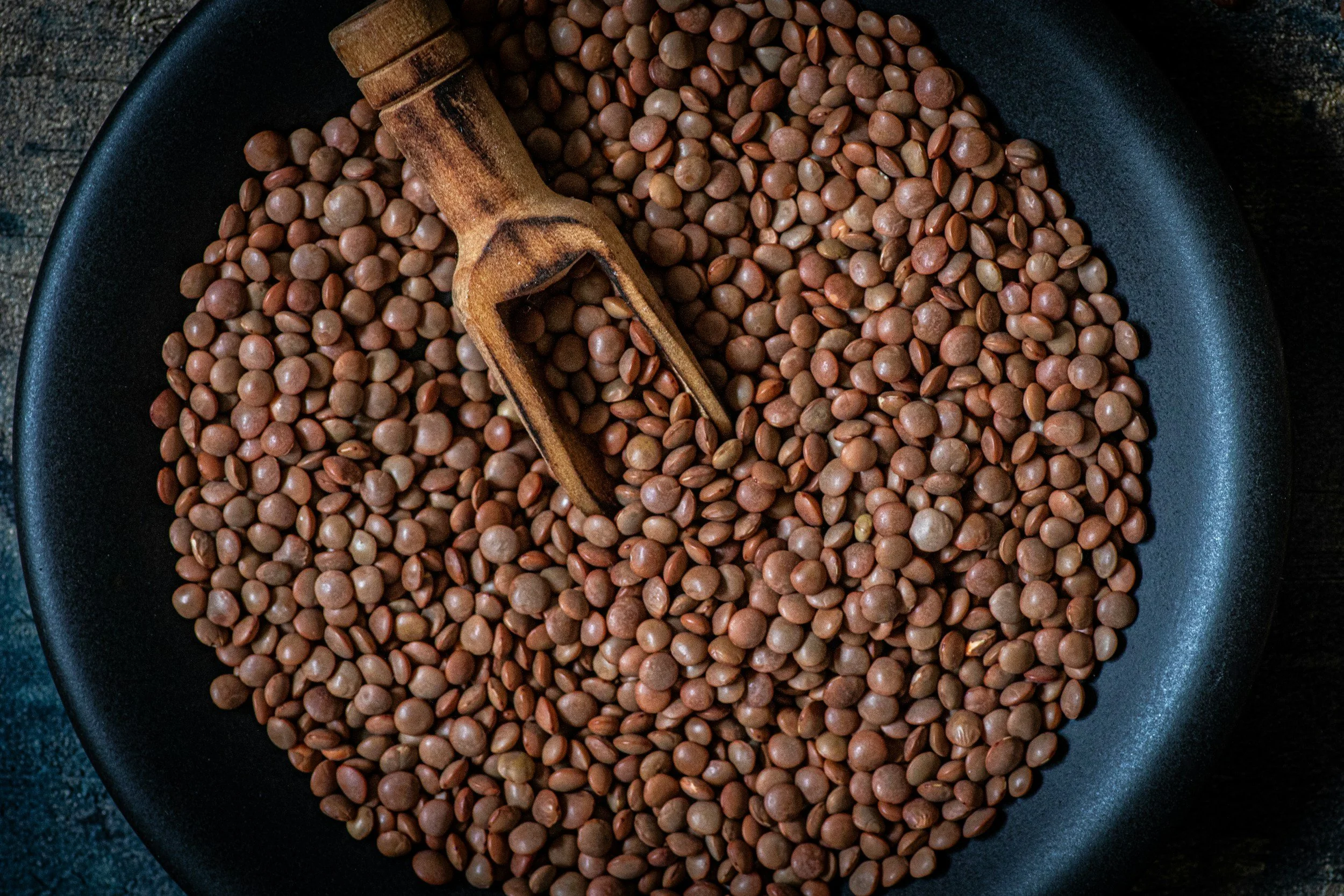
TL;DR:
Iron plays a key role in oxygen transport and energy (ATP), which directly impacts how you feel and perform day to day.
Low iron brings on fatigue, reduced endurance, and decreased performance — even before anemia shows up.
Most people can make simple improvements to their diet to meet their iron needs.
Quick iron-rich foods to include:
4 oz lean beef (~2.5–3 mg)
1 cup lentils (~6–7 mg)
1 cup cooked spinach (~4–6 mg)
1 cup chickpeas (~4–5 mg)
1 oz pumpkin seeds (~2–3 mg)
Overview
Ever feel inexplicably tired? Workouts harder than they should be, performance plateauing even though you're doing everything right? Iron is often the culprit — and you don't need to be anemic to feel it.
Most people only think about iron when bloodwork flags it, but you can feel the effects long before levels drop into deficiency range — especially if you're training hard, menstruating, or eating mostly plant-based. Here's why it matters and how to stay ahead of it.
Oxygen transport (hemoglobin)
Iron is what lets your blood carry oxygen. It's the core building block of hemoglobin — the protein in red blood cells that:
Binds oxygen in your lungs when you breathe in
Carries it through your bloodstream
Delivers it to the tissues that need it, especially working muscle
When iron runs low, this whole system slows down. Less oxygen reaches your muscles, which means less endurance, faster fatigue, and a lower ceiling on what you can do in a workout. And you don't have to be anemic to feel it — even mild drops in iron, the kind that don't trigger a diagnosis, can flatten your energy and leave you dragging through the day.
Energy production (ATP)
Iron doesn't just deliver oxygen — it also helps your cells turn that oxygen into usable energy.
Inside your mitochondria (yes, that powerhouse of the cell from 6th grade biology), iron is part of the machinery that turns food and oxygen into ATP — the actual fuel your muscles burn. So iron isn't just the delivery truck for oxygen; it's also part of the engine that uses it.
That's why low iron hits so hard — you're losing oxygen delivery and energy production at the same time. One problem, two failure points.
Daily needs
Iron needs vary by age, sex, and how hard you're training. Here's the general landscape:
Men (19+): ~8 mg/day
Women (19–50): ~18 mg/day
Women (51+): ~8 mg/day
Active individuals and athletes: ~10–18 mg/day
Plant-based diets: ~14–32 mg/day (plant iron absorbs less efficiently, so the target is roughly 1.8x higher)
Who needs to pay closer attention
Some people are more likely to run low and should keep iron on their radar:
Menstruating women — monthly blood loss means ongoing iron turnover which is why the needs are higher for 19-50 year old women
Pregnant women — supporting both your blood volume and the baby's needs drive this to ~1.5x higher than women between 19-50
Endurance athletes — heavier training breaks down red blood cells faster, and impact sports (running especially) cause small amounts of foot-strike hemolysis (premature destruction of red blood cells)
Plant-based eaters — lower absorption from non-heme sources, as noted above
Anyone eating low-volume or restrictive diets — less food in often means less iron in
If you fall into any of these categories, it's worth asking your doctor to include ferritin in your next blood panel. A standard CBC measures hemoglobin but won't catch early iron depletion — ferritin (your stored iron) drops first, often months before anything else looks off.
Food sources (heme vs non-heme)
There are two kinds of iron in food, and they don't behave the same way.
Heme iron comes from animal products. Your body absorbs it efficiently — roughly 15–35% of what you eat actually makes it in.
Non-heme iron comes from plants. Absorption is much lower — around 5–12% — which is why plant-based eaters need higher total intake and have to think a little harder about pairings.
You don't need to pick a side. Most people do best with a mix of both, spread across the day rather than loaded into one meal (your body absorbs iron better in smaller, more frequent doses — same logic as protein distribution).
Heme sources:
4 oz red meat: ~2.5–3 mg
4 oz chicken: ~1–1.5 mg
4 oz salmon: ~0.5–1 mg
2 whole eggs: ~1.5–2 mg
Non-heme sources:
1 cup cooked lentils: ~6–7 mg
1 cup black beans: ~3.5–4 mg
1 cup chickpeas: ~4–5 mg
1 cup cooked spinach: ~4-6 mg
½ cup tofu: ~3–3.5 mg
1 cup cooked quinoa: ~2.5–3 mg
1 oz pumpkin seeds: ~2–3 mg
Absorption
How much iron actually makes it into your system depends on what you eat with it.
Things that help:
Vitamin C is the big one. It can boost non-heme iron absorption by 2–3x when eaten in the same meal. Citrus, peppers, tomatoes, broccoli, and strawberries all work.
Pairing plant iron with a small amount of heme iron — even a few ounces of meat in a lentil dish — also improves overall absorption of iron dramatically!
Things that block it:
Coffee and tea contain tannins that can cut iron absorption by 50% or more. If you're working on iron status, separate them from your iron-rich meals by an hour or two.
Calcium competes with iron for absorption. A glass of milk or a yogurt with your steak isn't a disaster, but it's not the optimal pairing either.
Phytates in beans, grains, and seeds reduce absorption from those same foods. Soaking, sprouting, or fermenting (sourdough, tempeh) helps. Otherwise, just lean on the vitamin C trick — it largely cancels the phytate effect.
The practical takeaway: a lentil bowl with a tomato-based sauce is dramatically better-absorbed than a lentil bowl with a side of yogurt and an iced coffee. Same food, very different result.
Action steps
Three things to actually do this week:
Build one iron-forward meal a day. Lentil pasta with red sauce, beef stir-fry with peppers, salmon with broccoli, eggs with sautéed spinach — anything that pairs an iron source with a vitamin C source.
Move coffee away from your highest-iron meal. If breakfast is where most of your iron lands, push the coffee to mid-morning. Small change, real difference over time.
Get ferritin checked if you're training hard, menstruating, eating mostly plant-based, or just feel more tired than the rest of your life would explain. It's a cheap add-on to standard bloodwork and it's the earliest signal you'll get.
The bottom line
Iron is doing two jobs at once — getting oxygen to your cells and helping your cells turn that oxygen into energy. When it runs low, both jobs slow down, and you feel it long before any diagnosis catches it.
The fix is rarely complicated. Most people don't need supplements or radical changes — they need a few iron-forward meals a week, smarter pairings, and a ferritin number on their next lab panel. That's it.
If your energy or performance has felt off and you can't pin down why, this is one of the first places to look.
Ready to Simplify Health Eating?
InSanté is a digital cookbook of healthy recipes that have an emphasis on high fiber and high protein meals. Each recipe is carefully crafted by a world-class Registered Dietitian; and are meant to support a range of goals, including weight loss, body composition improvements, building muscle, sustained energy for peak performance, and optimizing your blood panel. Iron is one of many nutrients that are optimized during recipe curation, removing the burden of calculating your own daily iron needs.
Not only that, but all subscribers have personalized support from our expert Registered Dietitian.